
Contents
- 🎵 Origins & History
- ⚙️ How It Works
- 📊 Key Facts & Numbers
- 👥 Key People & Organizations
- 🌍 Cultural Impact & Influence
- ⚡ Current State & Latest Developments
- 🤔 Controversies & Debates
- 🔮 Future Outlook & Predictions
- 💡 Practical Applications
- 📚 Related Topics & Deeper Reading
- Frequently Asked Questions
- References
- Related Topics
Overview
Robotics in manufacturing refers to the use of robotic systems to automate and optimize production processes, enhancing efficiency, productivity, and product quality. With the integration of artificial intelligence, machine learning, and the Internet of Things (IoT), robotics in manufacturing has become a crucial aspect of Industry 4.0. According to a report by the International Federation of Robotics (IFR), the global robotics market is expected to reach $135 billion by 2025, with the manufacturing sector being a significant driver of this growth. Companies like Tesla and BMW are already leveraging robotics to streamline their production lines, with KUKA and ABB being leading providers of industrial robots. As the demand for customized products and shorter production cycles increases, the role of robotics in manufacturing will continue to expand, with potential applications in areas like 3D printing and computer vision.
🎵 Origins & History
Origins paragraph — The concept of robotics in manufacturing dates back to the 1960s, when the first industrial robot, Unimate, was introduced by George Devol. Since then, the field has evolved significantly, with advancements in artificial intelligence, machine learning, and computer vision. Today, robotics in manufacturing is a crucial aspect of Industry 4.0, with companies like Siemens and Microsoft investing heavily in research and development. The use of robotics in manufacturing has also been influenced by the work of Joseph Engelberger, known as the 'father of robotics', who founded Unimation, the first company to manufacture and market industrial robots.
⚙️ How It Works
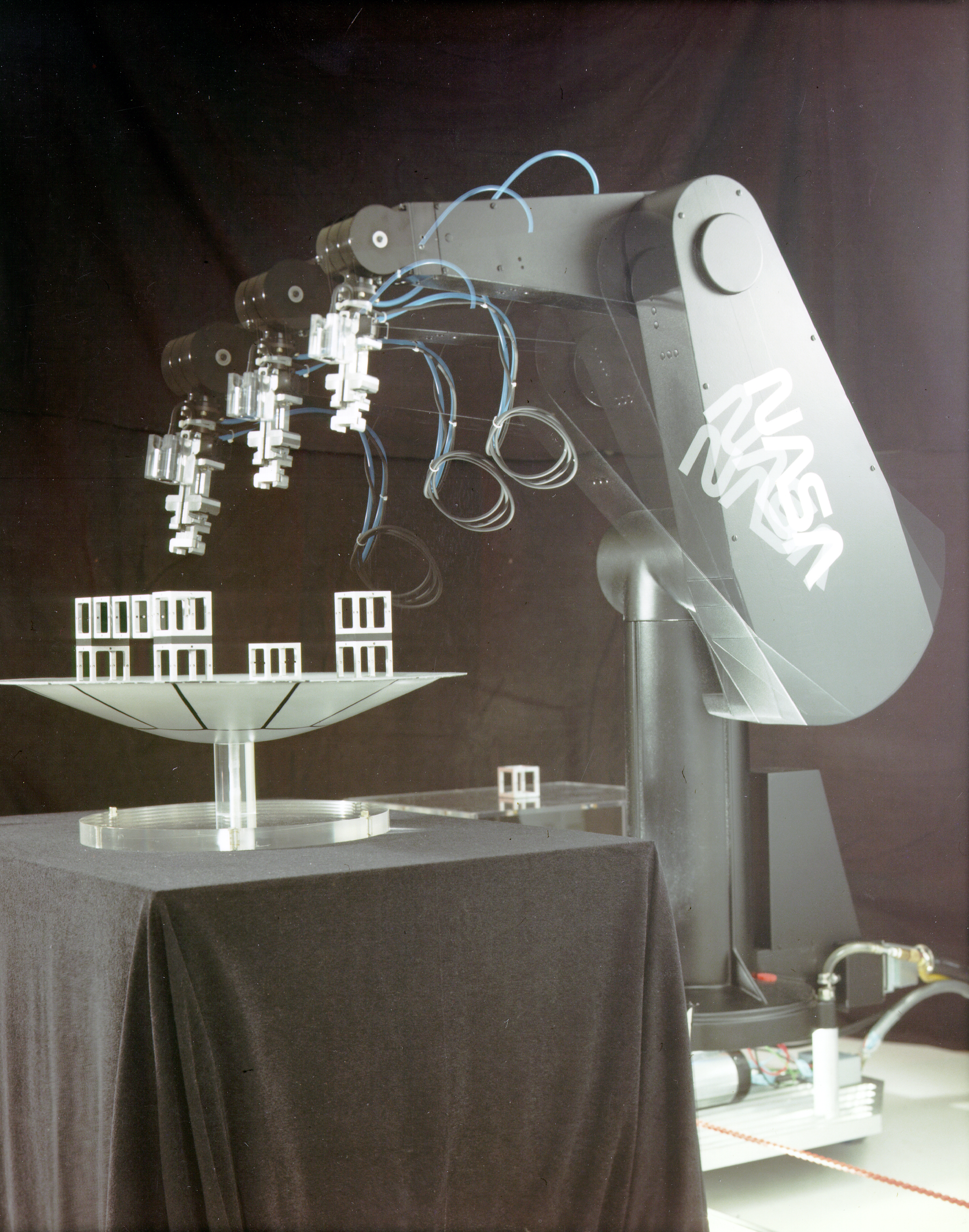
How it works — Robotics in manufacturing involves the use of robotic systems to automate and optimize production processes. These systems typically consist of a robotic arm, a control system, and a software platform. The robotic arm is equipped with sensors and actuators that enable it to perform tasks like welding, assembly, and inspection. The control system, which can be programmed using languages like Python or C++, enables the robot to interact with its environment and perform tasks with precision. Companies like FANUC and Yaskawa are leading providers of industrial robots and robotic systems.
📊 Key Facts & Numbers
Key facts — The global robotics market is expected to reach $135 billion by 2025, with the manufacturing sector being a significant driver of this growth. According to a report by the IFR, the number of industrial robots installed worldwide will increase to 3.5 million by 2025, with Asia being the largest market. The use of robotics in manufacturing has also led to significant improvements in product quality, with a study by Mckinsey finding that robotics can reduce defect rates by up to 90%. Companies like Daimler and Volkswagen are already leveraging robotics to improve their production processes.
👥 Key People & Organizations
Key people — Some of the key people involved in the development of robotics in manufacturing include George Devol, who invented the first industrial robot, and Joseph Engelberger, who founded Unimation. Other notable individuals include Mori Masahiro, a Japanese robotics engineer who developed the concept of the 'uncanny valley', and Rodney Brooks, an Australian robotics engineer who developed the concept of 'nouvelle AI'. Researchers like Andrew Ng and Yann LeCun are also making significant contributions to the field of robotics and artificial intelligence.
🌍 Cultural Impact & Influence
Cultural impact — The use of robotics in manufacturing has significant cultural implications, particularly in terms of job displacement. According to a report by the World Economic Forum, up to 75 million jobs may be displaced by automation by 2025. However, the report also notes that up to 133 million new jobs may be created, particularly in fields like robotics engineering and AI development. Companies like Google and Amazon are already investing in programs to retrain workers for these new jobs. The use of robotics in manufacturing has also led to the development of new industries, such as Robotics-as-a-Service (RaaS), which provides companies with access to robotic systems and expertise.
⚡ Current State & Latest Developments
Current state — The current state of robotics in manufacturing is characterized by significant advancements in areas like AI, machine learning, and computer vision. Companies like Tesla and BMW are already leveraging these technologies to streamline their production lines. The use of robotics in manufacturing is also becoming more widespread, with the IFR reporting that the number of industrial robots installed worldwide increased by 12% in 2020. Researchers like Stefan Schneider and Frank Dellaert are also making significant contributions to the field of robotics and computer vision.
🤔 Controversies & Debates
Controversies — One of the major controversies surrounding robotics in manufacturing is the potential for job displacement. According to a report by the Brookings Institution, up to 38% of jobs in the US may be at high risk of being automated by 2030. However, the report also notes that the use of robotics in manufacturing can also create new job opportunities, particularly in fields like robotics engineering and AI development. Companies like IBM and Oracle are already investing in programs to retrain workers for these new jobs. The use of robotics in manufacturing has also raised concerns about safety and security, particularly in terms of the potential for robots to malfunction or be hacked.
🔮 Future Outlook & Predictions
Future outlook — The future outlook for robotics in manufacturing is characterized by significant potential for growth and innovation. According to a report by Goldman Sachs, the global robotics market is expected to reach $1.4 trillion by 2030, with the manufacturing sector being a significant driver of this growth. The use of robotics in manufacturing is also expected to lead to significant improvements in product quality and efficiency, with a study by Boston Consulting Group finding that robotics can reduce production costs by up to 20%. Researchers like Andrew Ng and Yann LeCun are also making significant contributions to the field of robotics and artificial intelligence.
💡 Practical Applications
Practical applications — Robotics in manufacturing has a wide range of practical applications, from assembly and welding to inspection and packaging. Companies like Cisco and Intel are already leveraging robotics to improve their production processes. The use of robotics in manufacturing can also lead to significant improvements in product quality and efficiency, with a study by Mckinsey finding that robotics can reduce defect rates by up to 90%. The use of robotics in manufacturing has also led to the development of new industries, such as Robotics-as-a-Service (RaaS), which provides companies with access to robotic systems and expertise.
Key Facts
- Year
- 2025
- Origin
- Global
- Category
- robotics-developments
- Type
- technology
Frequently Asked Questions
What is robotics in manufacturing?
Robotics in manufacturing refers to the use of robotic systems to automate and optimize production processes, enhancing efficiency, productivity, and product quality. The use of robotics in manufacturing has significant cultural implications, particularly in terms of job displacement. According to a report by the World Economic Forum, up to 75 million jobs may be displaced by automation by 2025. However, the report also notes that up to 133 million new jobs may be created, particularly in fields like robotics engineering and AI development.
What are the benefits of robotics in manufacturing?
The benefits of robotics in manufacturing include improved efficiency, productivity, and product quality. Robotics can also lead to significant cost savings, with a study by Boston Consulting Group finding that robotics can reduce production costs by up to 20%. The use of robotics in manufacturing can also lead to the creation of new job opportunities, particularly in fields like robotics engineering and AI development.
What are the challenges of robotics in manufacturing?
The challenges of robotics in manufacturing include job displacement, safety and security concerns, and the need for significant investment in research and development. The use of robotics in manufacturing also requires significant changes to production processes and workflows, which can be challenging to implement. Companies like IBM and Oracle are already investing in programs to retrain workers for these new jobs.
What is the future outlook for robotics in manufacturing?
The future outlook for robotics in manufacturing is characterized by significant potential for growth and innovation. According to a report by Goldman Sachs, the global robotics market is expected to reach $1.4 trillion by 2030, with the manufacturing sector being a significant driver of this growth. The use of robotics in manufacturing is also expected to lead to significant improvements in product quality and efficiency, with a study by Mckinsey finding that robotics can reduce defect rates by up to 90%.
What are the related topics to robotics in manufacturing?
Some related topics to robotics in manufacturing include artificial intelligence, machine learning, and computer vision. Other related topics include Industry 4.0, Internet of Things (IoT), and 3D printing. Researchers like Stefan Schneider and Frank Dellaert are also making significant contributions to the field of robotics and computer vision.
What is the current state of robotics in manufacturing?
The current state of robotics in manufacturing is characterized by significant advancements in areas like AI, machine learning, and computer vision. Companies like Tesla and BMW are already leveraging these technologies to streamline their production lines. The use of robotics in manufacturing is also becoming more widespread, with the IFR reporting that the number of industrial robots installed worldwide increased by 12% in 2020.
What are the key people involved in the development of robotics in manufacturing?
Some of the key people involved in the development of robotics in manufacturing include George Devol, who invented the first industrial robot, and Joseph Engelberger, who founded Unimation. Other notable individuals include Mori Masahiro, a Japanese robotics engineer who developed the concept of the 'uncanny valley', and Rodney Brooks, an Australian robotics engineer who developed the concept of 'nouvelle AI'.
What is the cultural impact of robotics in manufacturing?
The cultural impact of robotics in manufacturing is significant, particularly in terms of job displacement. According to a report by the World Economic Forum, up to 75 million jobs may be displaced by automation by 2025. However, the report also notes that up to 133 million new jobs may be created, particularly in fields like robotics engineering and AI development. Companies like Google and Amazon are already investing in programs to retrain workers for these new jobs.